
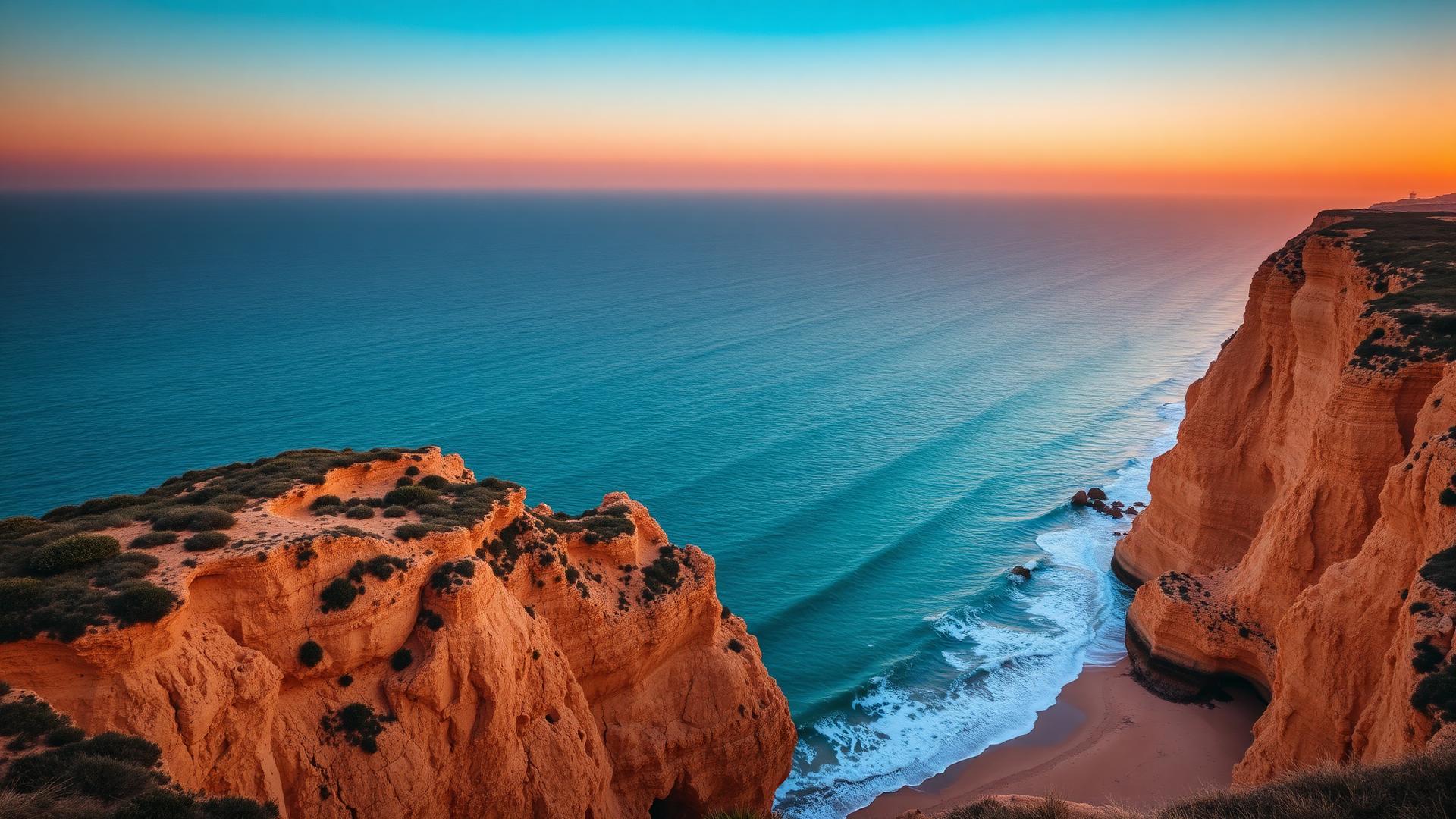
Lagos, Portugal: the ultimate Algarve travel guide (2026)
Everything you need to know about Lagos — beaches, day trips, food, where to stay and how to get there. Written by locals for first-time visitors.
Lagos is the unofficial adventure capital of the Algarve. It's small enough to walk across in 15 minutes, big enough to host every kind of restaurant from tasca to tasting menu, and the coastline immediately south of town is arguably the most beautiful in mainland Europe. If you're choosing a base for the Algarve, this is it.
How to get to Lagos: Faro Airport (FAO) is the main gateway, 80 km east of Lagos. The fastest option is a direct shuttle (€20–€25, 75 minutes) or a hire car (€30/day in shoulder season). Trains from Faro run hourly, take 1h45 and cost €8 — scenic but slow. From Lisbon, the Rede Expressos coach (3h30, €20) or the Alfa Pendular train via Tunes (3h, €25) both work.
When to visit Lagos: April–June and September–October are the sweet spots — warm weather, paddleable seas, no crowds. July and August are spectacular but busy; book accommodation 2–3 months out. November–March is quiet and cheap with surprisingly mild weather (15–18 °C most days).
The beaches you have to see: Praia do Camilo (the postcard beach, 200 wooden steps down), Praia Dona Ana (sheltered, family-friendly), Praia da Batata (in town, where SUP tours launch), Meia Praia (4 km of golden sand east of town), and Praia do Pinhão (small, dramatic, perfect for sunset).
Top experiences (by water): A SUP tour through the Ponta da Piedade caves, a sunrise paddle from Camilo, dolphin watching in the offshore Atlantic, and a sunset sail on a traditional schooner. For coasteering, head 25 minutes west to Vila do Bispo — the cliffs between Barranco and Zavial are better for it and far quieter.
Top experiences (on land): Walking the old city walls (free, 30 minutes), the Mercado Municipal for breakfast, the Igreja de Santo António for the gilded baroque interior, the Saturday morning farmer's market, and sundowners at the rooftop bars on Rua Cândido dos Reis.
Day trips: Sagres (45 minutes west) for the windswept end-of-Europe vibe and Cape St. Vincent lighthouse. Benagil Sea Cave (40 minutes east) — the famous skylit cave, best visited by SUP or kayak at sunrise. Silves (35 minutes inland) for the Moorish castle and orange groves. Monchique (45 minutes north) for hot springs and mountain views.
Where to eat: For seafood, A Forja (no-nonsense fish, no reservations); for petiscos, Mar D'Estórias rooftop; for the best francesinha outside Porto, O Camilo; for budget, the Mercado Municipal upstairs. For vegetarians, Mediterrâneo and Quintal de Lagos.
Where to stay: For first-timers, base yourself in the old town within the city walls — everything is walkable and the SUP/coasteering meeting points are 5 minutes away. Boutique picks include Casa Mãe and Lagos Atlantic Hotel; budget travellers love Rising Cock Hostel; for families, the apartments on Meia Praia are quieter and on the beach.
Getting around: Lagos is walkable. Bikes rent for €10/day. The Onda local buses run to all the main beaches for €1.50. A taxi to anywhere in town is €5–€7. You don't need a car unless you're doing day trips.
Practical tips: ATMs are everywhere; cards work almost universally. Tap water is safe to drink. The siesta is real — many small shops close 13:00–15:30. Tipping is appreciated but not expected (round up the bill or 5–10%).
Perguntas frequentes
Is Lagos worth visiting in the Algarve?
Yes — Lagos is the most beautiful and walkable base in the Algarve, with the Ponta da Piedade caves on its doorstep, great food, and easy day trips to Sagres and Benagil.
How many days do you need in Lagos, Portugal?
Three to five days is ideal: one for the old town and Meia Praia, one for a SUP cave tour, one for coasteering or dolphin watching, and one or two for day trips to Sagres or Benagil.
Is Lagos cheaper than Albufeira?
Slightly. Lagos is more independent and adventure-focused; Albufeira is bigger and more resort-driven. Both have similar restaurant prices.